
Amazon Logistics Franchise in India: How to Open a DSP Franchise
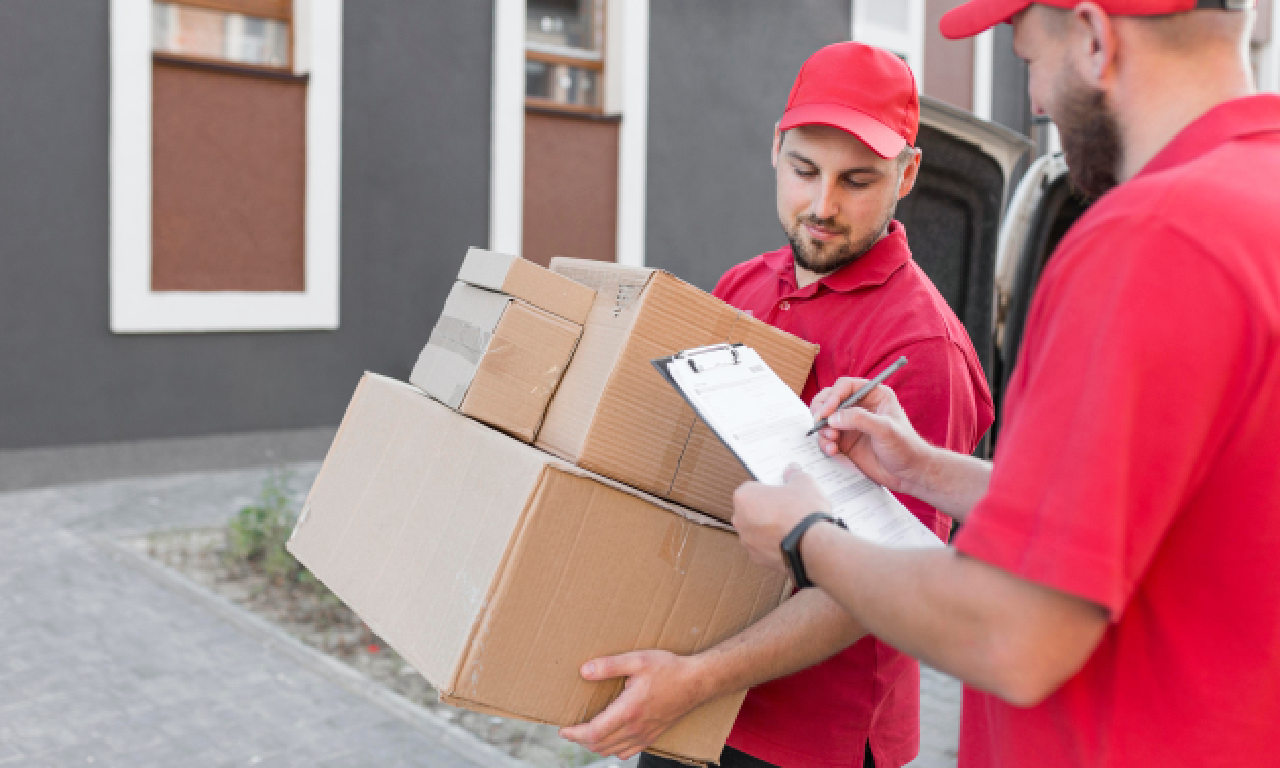
Franchise models typically involve licensing a brand's business format to independent owners. In the case of Amazon, there is no traditional "Amazon franchise" in the retail sense. Instead, Amazon offers partner programs where entrepreneurs can operate independent businesses under the Amazon umbrella. These programs provide many franchise-like benefits (brand recognition, training, support) while allowing owners autonomy. For example, the Amazon Delivery Service Partner (DSP) program and the Amazon Easy Store initiative let individuals run delivery hubs or assisted retail points on Amazon's behalf.
Amazon's partner programs give local business owners access to Amazon's network. In the DSP program, an owner hires drivers and establishes a delivery center to handle Amazon packages. Amazon provides technology, training, and ongoing operational support to DSPs. Similarly, the Amazon Easy Store (formerly Project Udaan) program recruits small shopkeepers, training them to assist customers with online orders in regions with low internet access. In these assisted shopping stores, owners help customers browse products, create Amazon accounts, place orders, and even accept cash-on-delivery payments. In effect, these programs transform local entrepreneurs into Amazon partners, expanding e-commerce reach in smaller cities and rural India.
Amazon Delivery Service Partner (DSP) Program
The Amazon DSP program is often colloquially called an Amazon "delivery franchise." Approved DSP owners operate a local package delivery business exclusively for Amazon. Amazon outlines that qualified candidates need minimal prior logistics experience. Startup costs can be very low: Amazon's DSP brochure notes that initial investment can be as low as ₹1.5 lakh (this covers basic setup fees and a limited fleet). Of course, more capital is needed for facilities, vehicles, and working capital. Amazon also expects DSPs to have about ₹6–8 lakh available in liquid assets (cash or equivalents) to sustain operations.
Once operating, a DSP can scale from a few vans to dozens. In a fully ramped DSP (roughly 40–100 delivery associates), owners can generate annual revenues of about ₹1.8–3.6 crore with net profits of roughly ₹19–38 lakh. This implies an after-cost profit margin on the order of 10–20%. (On a monthly basis, that translates to about ₹1.6–3.2 lakh in profit.) These figures come from Amazon's own projections and DSP success stories. Support services are extensive: Amazon provides delivery algorithms, route optimization tools, and a dedicated account manager to help DSPs grow. Entrepreneurs interested in scaling can apply online through Amazon's DSP portal (visit logistics.amazon.in). Aspiring DSPs should explore growth strategies for Amazon operations; for example, see GrowthJockey's guide on Amazon e-commerce operations growth strategies.
Investment and Cost Breakdown
Starting an Amazon DSP involves one-time setup costs plus ongoing expenses. The main categories include space (office/warehouse), delivery vehicles, equipment, staff, and Amazon's franchise fees. Industry estimates suggest a DSP requires on the order of ₹30–40 lakh in total investment. For example, typical estimates include: land or rental space (₹25–35L), office setup (₹8–10L), vehicles and equipment (~₹6–12L), and other miscellaneous startup costs (permits, uniforms, etc., ₹15–20L). (Amazon's official brochure emphasizes only the core startup deposit of ₹1.5L, but these larger figures account for a fully equipped center.)
| Category | Estimate (INR) | Notes |
|---|---|---|
| Startup capital (minimum) | ₹1.5 L | Base DSP enrollment (Amazon target) |
| Initial working capital | ₹6–8 L | Suggested cash reserve (liquid assets) |
| Vehicles & delivery gear | ₹15–30 L | Approximately 20–40 bikes/vans (mixed fleet) |
| Facility setup (office/ware) | ₹8–10 L | Rental deposit or construction costs |
| Other startup expenses | ₹12–20 L | Licenses, training, uniforms, etc. |
| Total initial investment | ₹30–40 L (approx.) | Varies by scale and location |
| Annual revenue potential | ₹1.8–3.6 Cr | Based on 40–100 delivery associates |
| Annual profit potential | ₹19–38 L | Implies ~10–20% profit margin |
| Estimated monthly profit | ₹1.6–3.2 L | (Annual profit ÷ 12) |
These numbers will vary by city and scale. Smaller DSPs (fewer vehicles) have lower revenues and profits; larger ones (many trucks) can earn more but also incur higher costs. Our analysis notes that smaller setups (15 vehicles) may cost ~₹18–25L to start, while metro-scale centers (40+ vehicles) might need ₹40–60L. Regardless of size, Amazon typically returns a per-delivery fee to DSPs (often ₹35–₹60 per successful delivery). Efficient DSP owners can increase profit by optimizing routes and minimizing costs.
Monthly Income and Profit Margins
Given the investment above, DSP profit margins are competitive but require efficient management. LaunchJockey's research indicates a net profit margin around 10–20%. Efficient routes, careful fuel and maintenance management, and high delivery performance (which earns bonuses) all boost margins. In a well-run operation, DSP owners often recoup their initial investment (break-even) within 1–3 years. Monthly DSP revenue (gross) can be on the order of ₹1.5–3 lakh; netting ₹1.6–3.2 lakh per month after expenses. These figures assume a moderate fleet (20–40 vehicles). Of course, actual earnings will vary based on region, demand, and operational discipline.
Amazon Easy Store (Project Udaan) Program
Aside from delivery, Amazon created the Amazon Easy (formerly "Project Udaan") program to expand rural e-commerce. This isn't a franchise fee model but a partnership: Amazon recruits small local shops to become assisted online shopping points. According to Amazon, Easy store owners "help customers browse the selection, identify and select a product, create their Amazon accounts, place orders and checkout", accepting cash or card payments on behalf of customers.
Amazon then delivers the ordered products to the customers' homes. As of 2018, Amazon had expanded this network to over 14,000 stores in 21 states. This program empowers local entrepreneurs with training and Amazon branding, with little to no inventory investment. Profits for Easy store partners come from commissions or service fees for each assisted transaction. The initial cost to join an Easy Store program is very low – largely the effort of training and minimal equipment (a smartphone/tablet) – making it a low-capital opportunity for entrepreneurs in small towns.
Selling on Amazon: Storefront and Fulfillment
An alternative path is to run an Amazon storefront (become a seller) rather than a "franchise." Anyone can register a business on Amazon and sell products under their own brand. Amazon offers robust fulfillment support: with Fulfillment by Amazon (FBA), you send inventory to Amazon's warehouses and Amazon handles packing, shipping, and customer service. Similarly, Multi-Channel Fulfillment (MCF) lets you use Amazon's fulfillment network to ship orders from other sales channels (your website, other marketplaces, etc.). These programs require paying Amazon fees (storage, fulfillment, referral fees), but eliminate the need to build your own warehouse or delivery system. Selling on Amazon also means competition with other sellers and marketplace rules, but grants access to Amazon's huge customer base.
Once your Amazon store is live, marketing and branding are crucial. Our Amazon Advertising Strategy emphasizes using Sponsored Products, Brands, and other ad formats to increase visibility. These paid ads are managed through Amazon's PPC platform. Crafting targeted Amazon PPC campaigns and optimizing bids can significantly raise sales. Additionally, sellers should enhance product listings with rich visuals and detailed copy.
Using A+ Content (Amazon's enhanced brand content feature) for your branded products often boosts conversion rates. For example, adding high-quality images and comparison charts in A+ pages can justify higher pricing and improve conversion. In short, whether you run a delivery franchise or an online store, leveraging advertising (our Amazon PPC guide covers specifics) and improving listing quality are key growth strategies.
Conclusion
While Amazon doesn't offer a franchise in the classic sense, its partner programs provide entrepreneurs many franchise-like opportunities. Whether you run an Amazon Delivery Service Partner center or help customers shop at an Amazon Easy Store, these ventures tap into Amazon's vast e-commerce network. The required investment (roughly ₹30–40 lakh for a DSP) is substantial, but the revenue and profit potential (crores of sales per year) can justify it. Always account for the responsibilities involved – hiring staff, managing operations, and meeting Amazon's standards.
For those focusing on product sales, investing in listing quality and advertising is crucial. GrowthJockey can help here: our Amazon A+ Content Guide and Amazon Advertising Strategy offer expert tips on boosting conversion and running effective campaigns. From setting up your Amazon presence (see our business registration guide) to scaling through Amazon's fulfillment networks (FBA/MCF) and ads, GrowthJockey has resources to support your Amazon journey. Use this knowledge to make an informed decision about any "Amazon franchise" opportunity and drive your Amazon business forward.
Frequently Asked Questions
Q1. What is the cost of an Amazon franchise?
Since Amazon doesn't sell traditional franchises, costs depend on the program. For a Delivery Service Partner, the minimum startup payment is about ₹1.5 lakh, but practical setup (facility + vehicles + working capital) typically totals ₹30–40 lakh. Amazon Easy Stores require very little capital (mainly a smartphone/tablet and minor setup).
Q2. Does Amazon do franchises?
Officially, Amazon does not call any program a franchise. Instead, it offers partner programs (DSP, Easy Store, etc.) that function like franchise models. These programs share brand and support but are technically vendor/partner agreements, not legal franchises.
Q3. Is an Amazon delivery franchise a good investment?
Becoming an Amazon DSP can be lucrative: owners benefit from strong brand trust and guaranteed delivery volume. With revenues in crores and net profits of tens of lakhs per year, the ROI can be attractive. However, it requires hard work: running a 24/7 logistics center, managing staff, and controlling costs. Success depends on efficient operations and high delivery metrics.
Q4. How can I start my own business on Amazon?
You have two main routes: 1) Delivery DSP: Apply through Amazon's DSP portal (logistics.amazon.in), meet eligibility (age 21+, clean record, sufficient funds), and launch a delivery center. 2) Seller/Store: Register as an Amazon seller (see GrowthJockey's registration guide) and list products. You can then use FBA/MCF for fulfillment and Amazon Ads (PPC) to market your products. Each path has different costs and requirements, so choose based on your interests and capital.









Industries
Growth
Operations
Technology